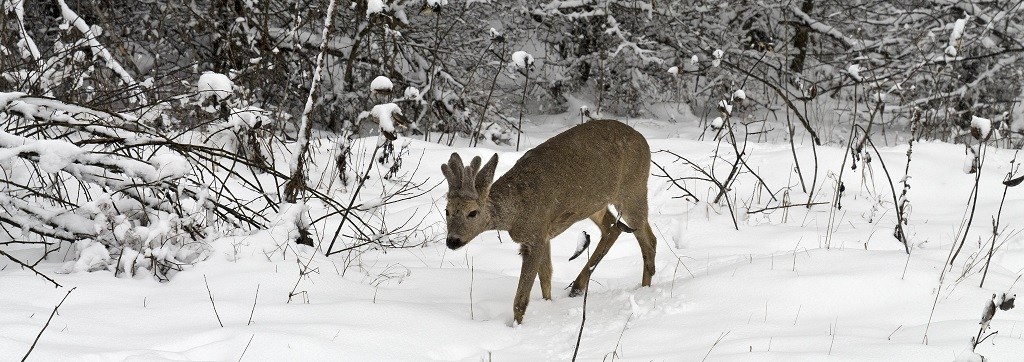
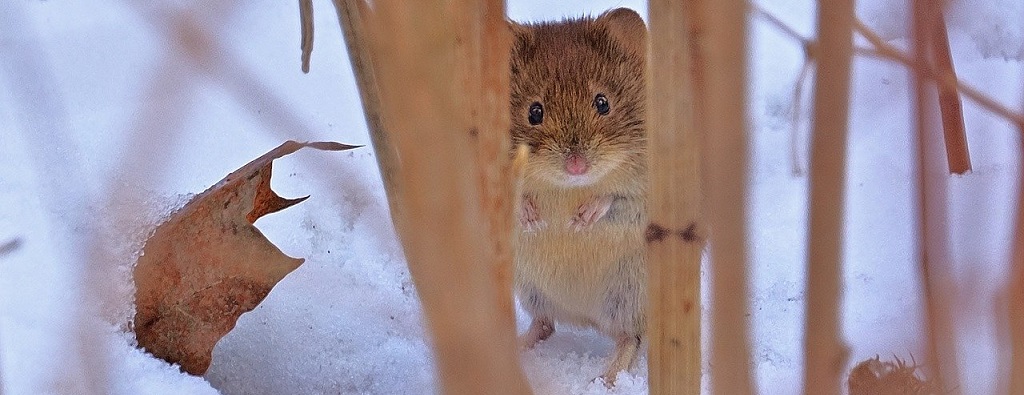
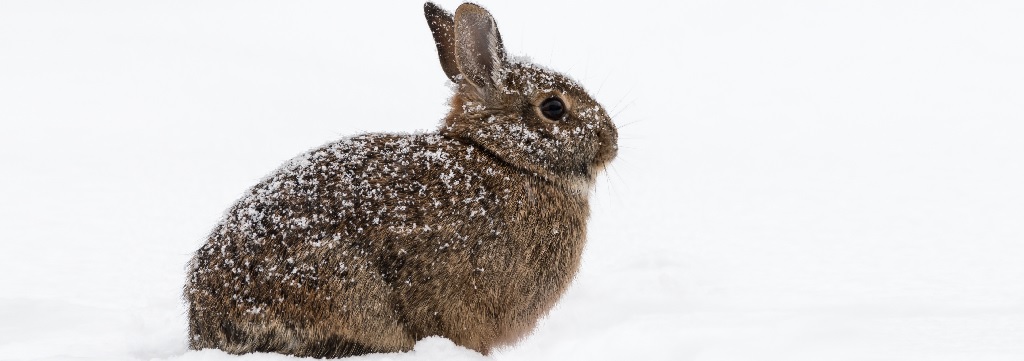
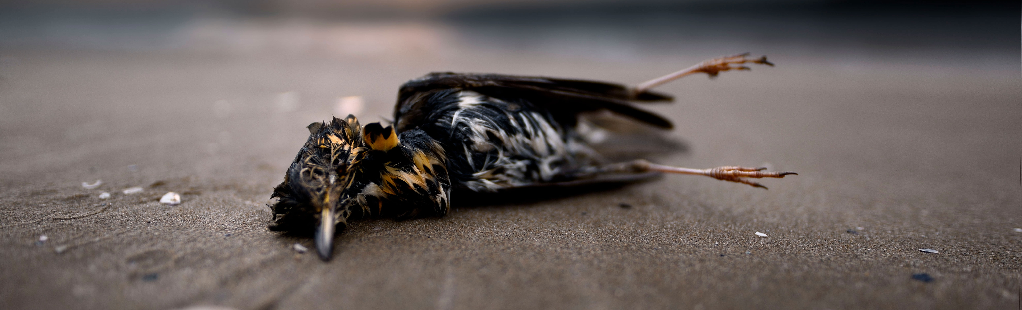
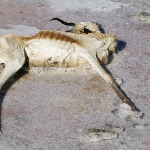
One of the most important factors limiting the growth of animal populations is the lack of food and water, which can kill huge numbers of animals.
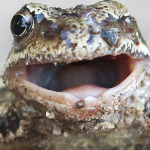
Animals in the wild can suffer many different kinds of diseases, some of which are very painful and can kill them slowly. Even those that are not lethal can cause great suffering. While it would often be possible to vaccinate…
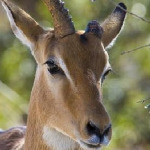
In the wild, animals are injured for various reasons. The actual wounds may kill the animals, or their injuries may cripple them in ways that are fatal, such as certain types of mutilations.
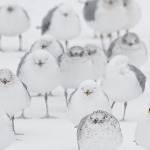
Many animals die after suffering a great deal due to extreme temperatures. This happens regularly in nature, and sometimes animals suffer for whole seasons due to this.
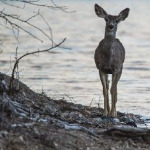
Earthquakes, hurricanes, volcanic eruptions, tsunamis and natural forest fires can cause much suffering and many deaths. Even when it would be possible to help them, most animals affected by natural disasters…
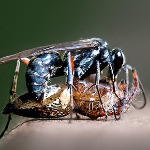
In nature, the ecosystemic relations in which an organism causes harm to another for his or her own benefit are called antagonistic ones.
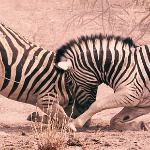
Animals of the same species can have conflicts and fight for number of reasons, including territory, mates, and social status.
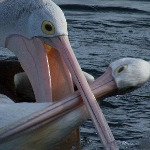
Sexual coercion is common among animals of many species, and can result in serious harms. In addition, the males sometime kill the offspring…

In addition to suffering physically, many animals also undergo significant psychological stress….
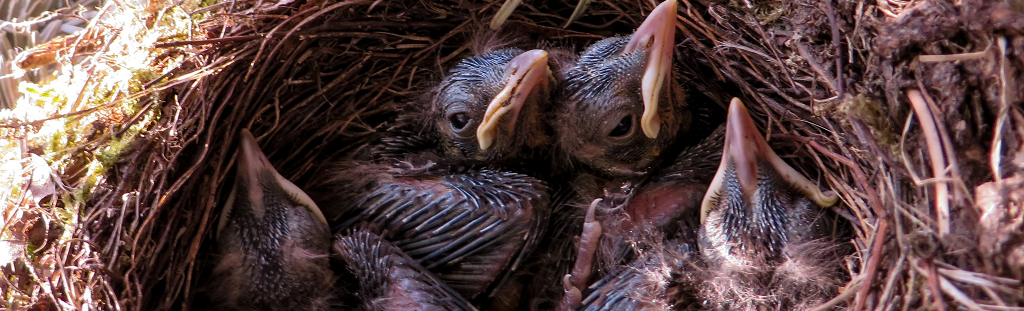
The reproductive strategy that is overwhelmingly prevalent in the wild consists of having huge numbers of offspring of which the vast majority die not long after coming into existence.
Natural selection works when different individuals come into existence but only some of them survive, as there are not sufficient resources available for everyone.
Animals living in nature endure significant harms, as other animals would be harmed…
Animals often suffer accidents in the wild. For instance, they may become trapped and face painful, lingering deaths. In many cases, it can be relatively easy to rescue them.
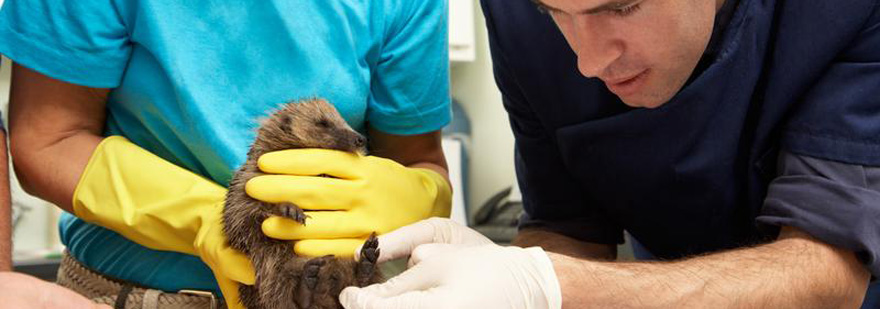
Diseases and injuries are another source of misery for nonhuman animals living in the wild. But, fortunately, this is one of the fields in which we currently know of significant ways to help them.
Earthquakes, hurricanes, volcanic eruptions, tsunamis and natural forest fires can cause much suffering and many deaths. Even when it would be possible to help them, most animals affected by natural disasters…
Some of the main reasons animals die in the wild are weather conditions and lack of food and water. Moreover, during food shortages those who don’t starve to death suffer from malnourishment…
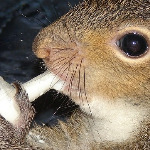
Animals in the wild sometimes lose one or both parents. In such a situation, it’s often unlikely that they will survive. Most will starve to death unless rescued. This is a critical time for us to help these animals by providing care…

There are many actions we can take to help reduce the harms experienced by animals living in nature. Many of the ways wild animals suffer have clear causes, such as malnutrition…