
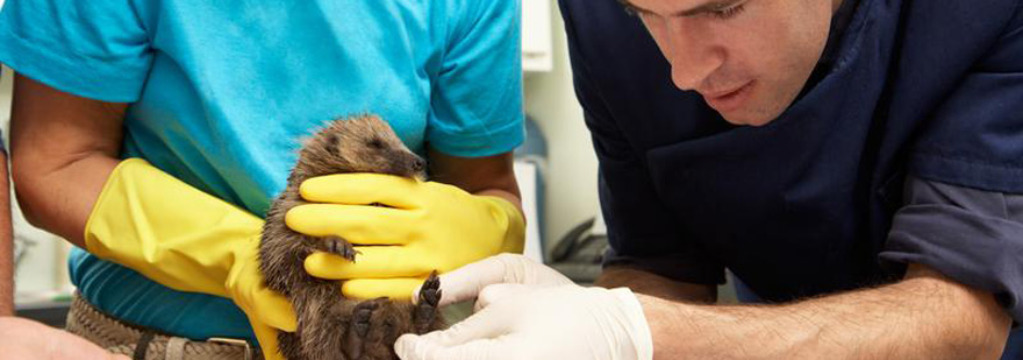
Animals often suffer accidents in the wild. For instance, they may become trapped and face painful, lingering deaths. In many cases, it can be relatively easy to rescue them.
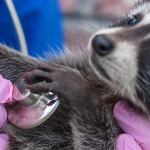
Diseases and injuries are another source of misery for nonhuman animals living in the wild. But, fortunately, this is one of the fields in which we currently know of significant ways to help them.

Earthquakes, hurricanes, volcanic eruptions, tsunamis and natural forest fires can cause much suffering and many deaths. Even when it would be possible to help them, most animals affected by natural disasters…
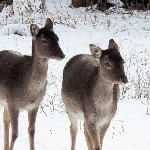
Some of the main reasons animals die in the wild are weather conditions and lack of food and water. Moreover, during food shortages those who don’t starve to death suffer from malnourishment…
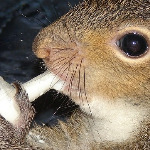
Animals in the wild sometimes lose one or both parents. In such a situation, it’s often unlikely that they will survive. Most will starve to death unless rescued. This is a critical time for us to help these animals by providing care…

There would be ways to give them even greater assistance if we had more knowledge and means. For this to be possible, the most important thing…
An introductory text that summarizes the content of the Wild animal suffering section. You can start here, or read just this text if you’re only going to read one.
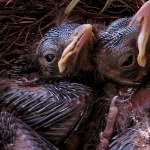
Presents the reasons why the interests of animals in the wild matter, and why we should be concerned about wild animal suffering.
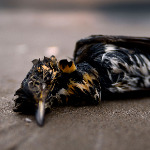
Presents the different threats animals face in the wild, including hostile weather conditions, lack of food and water, disease, injuries…
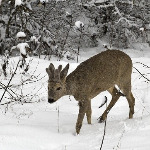
Introduces the field of welfare biology, a proposed cross-disciplinary field of study in natural sciences that studies the situation of animals with regard to their wellbeing.
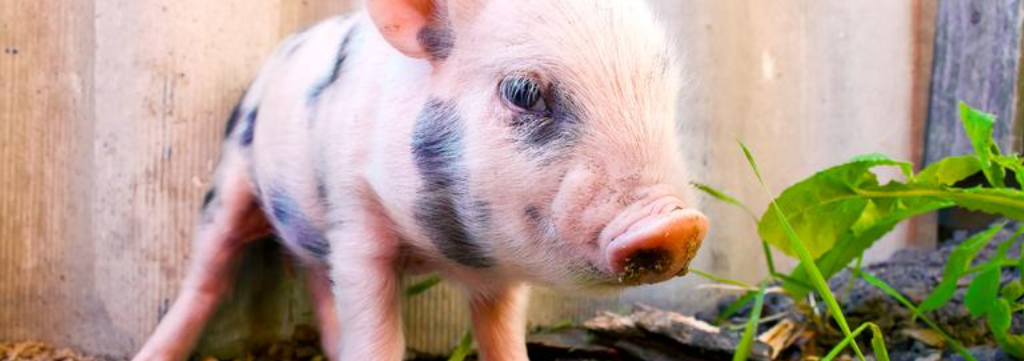
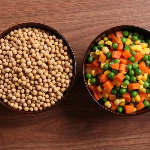
The Academy of Nutrition and Dietetics, which is made up of over 100,000 nutrition professionals in the U.S. and abroad, has shown in numerous reports and position papers that an appropriately planned vegan diet…

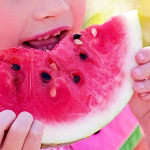
The Academy of Nutrition and Dietetics and other organizations of nutrition professionals have stated that an appropriately planned vegan diet is appropriate for people at all stages of life, including pregnancy…
In order for animal products to be obtained, terrible harms must be inflicted upon a great number of animals. No one would accept suffering those harms to themselves in exchange for enjoying the benefit…
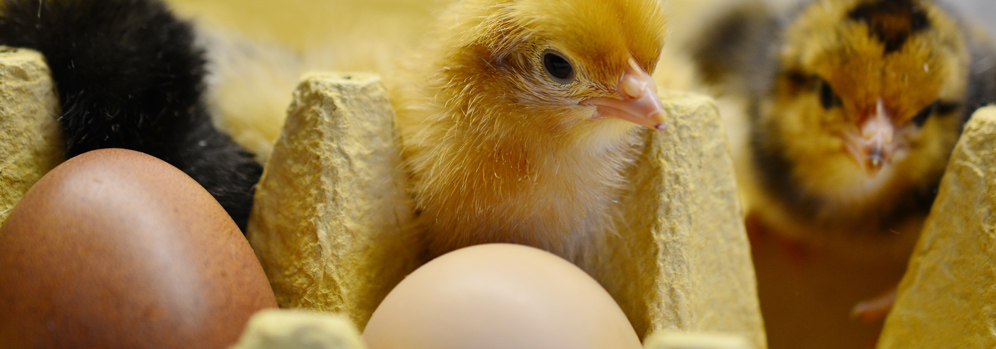
Suffering and dying is harmful to us. But it’s also harmful to other sentient animals. There’s no doubt today that they can feel and suffer. However, they are exploited in ways that cause them to suffer horribly.
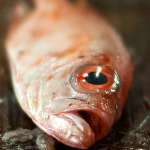
All the evidence leads us to conclude that they are not, as is explained here. They have no nervous systems or other structures that could perform similar functions…

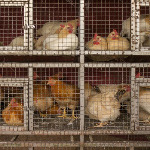
Rejecting speciesism means opposing all the ways nonhuman animals are discriminated against. Being vegan is very important, as it means ceasing to exploit nonhuman animals.

Human beings are capable of experiencing suffering and feeling joy. That is why we can be harmed or benefited by the ways we are treated by others. This is something we are well aware of…
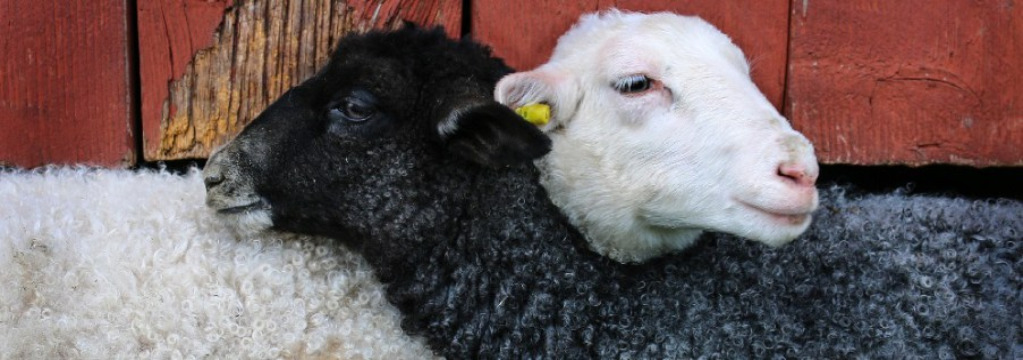
Choosing to live without using the products of animal exploitation is healthy and compatible with enjoying a wide variety of delicious foods.
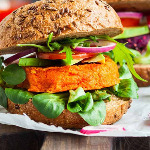
Personalizing the transition to a vegan diet is an excellent way to ensure a pleasurable experience. For habitual consumers of animal products, satisfying dishes…
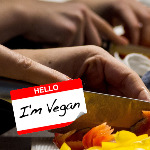
Although acceptance of vegan diets is growing more rapidly than ever, prevailing cultures worldwide can make change of any kind difficult…