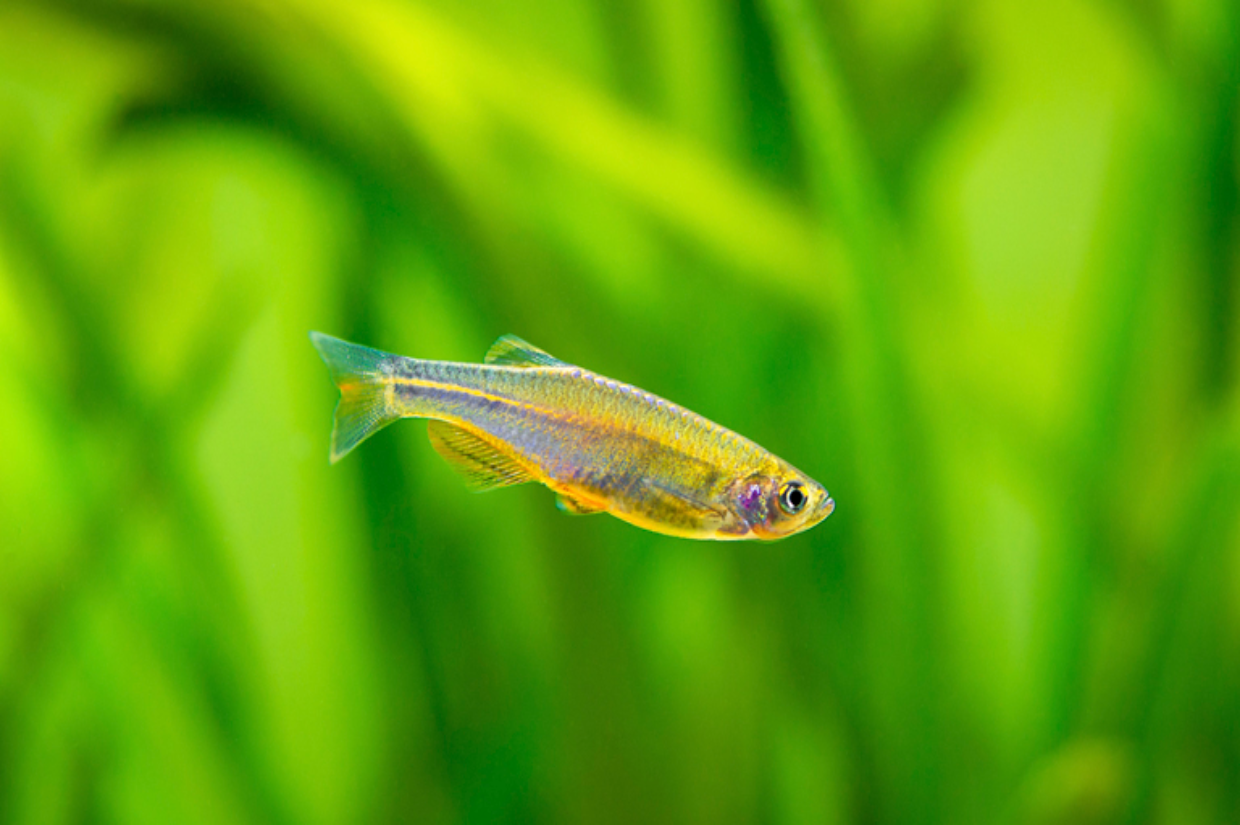
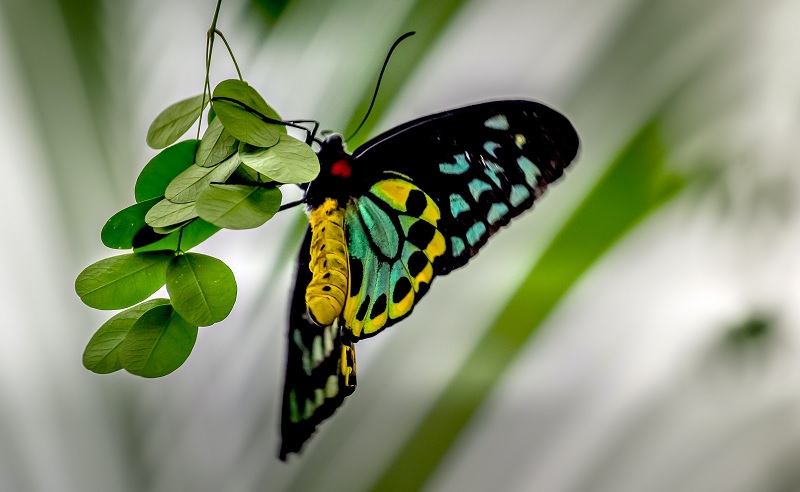
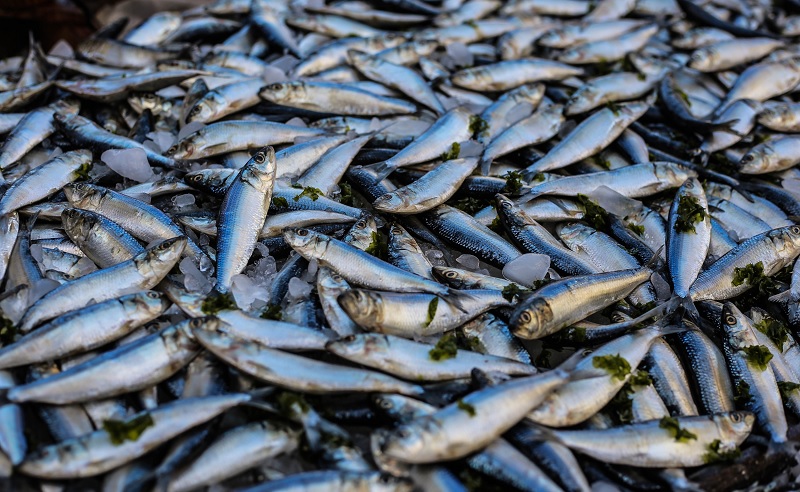
Determining which animals are sentient is very important for studying the welfare of animals in the wild. sentience (the ability to experience things consciously, including […] Read more
We’ve just finished updating the animal ethics section on our website and we added new pages about prioritarianism, suffering-focused ethics, and negative consequentialism Read more
Animal Ethics will participate again in the World Day for the End of Speciesism giving several talks about the reasons to reject speciesism. The talks will be broadcast… Read more
We have been researching what could the best ways to spread concern about animals in China, and to incorporate interest in wild animal suffering among such concerns Read more
We’ve just finished updating the animal ethics section on our website and we added new pages about prioritarianism, suffering-focused ethics, and negative consequentialism Read more
Animal Ethics will participate again in the World Day for the End of Speciesism giving several talks about the reasons to reject speciesism. The talks will be broadcast… Read more
We have been researching what could the best ways to spread concern about animals in China, and to incorporate interest in wild animal suffering among such concerns Read more
Most animals in the world are invertebrates. If most invertebrates are sentient, then we can conclude that most of the suffering of animals in the wild is endured by invertebrates. To add to this… Read more
Animals living in the wild suffer for a number of reasons including hunger, predation, and disease. There is a lack of consideration and care for animals living in the wild, despite their ability to suffer… Read more
The legalities of helping and harming animals in the wild in the United States are shaped by many variables, such as the animals’ species, where the animals live, and the nature of the activity. Read more
This course includes 28 videos that explain the situation of animals in the wild, why and how to help, and how to promote academic work on this fied. Read more
Evidence indicates that vertebrates and many invertebrates are sentient. Sentience is the capacity to feel and have experiences such as pain. Read more
Most animals suffer in the wild and die prematurely, but it’s possible to help them. This book explains the reasons and the different ways to do it. Read more
Animals in the billions are forced to live in confinement, their lives filled with pain, boredom and fear, or are captured and deprived of their lives in very painful ways.
Sentience is what matters when we consider which beings to give moral consideration. We need further study on the issues of what physical structures are necessary for sentience, which beings are sentient, and the interests sentient beings may have.
Many people are learning that animals in the wild don’t have predominantly good lives. Most animals in the wild die shortly after coming into existence, and suffer due to injuries, disease, hunger, severe weather, or attacks. In most cases they are not helped.
Giving moral consideration to nonhuman animals means acknowledging that our actions can harm or benefit them. We show that all major ethical theories imply that sentient animals should be given moral consideration.
Animal Ethics provides information and resources about the reasons to respect all animals, promotes discussion and debate about issues in animal ethics, and encourages academics and scientists to do research in related areas.
All around the world there are people helping and defending animals, including those who are exploited by humans and those in need of help in the wild. You can make a difference too by rejecting animal exploitation and by collaborating with organizations opposing speciesism.